How to Score Points and Make a Social Impact

Aug 28, 2020
By Swati Vora-Patel
“Keeping score” is an innate trait that we all possess. We keep track of sports scores, school grades and wins and losses in business, but do we have consistent measures in place to track our societal and environmental impacts?
We already know that our industry has made tremendous strides in reducing the carbon footprint in our environment. Yes, this impact is measurable; we can track the lowered energy consumption that our electrical equipment and systems deliver. Our energy efficiency score has a high impact.
But how do we measure our industry’s responsiveness to societal measures?
The United Nations has developed 17 sustainable goals[1] to fast-track how global citizens can help protect the planet, end poverty and ensure everyone enjoys peace and prosperity by the end of this decade. This might seem like an ambitious feat, but we’re already championing these efforts: we recycle plastic, we compost organic waste, we donate funds to charitable causes that fight poverty and hunger, we help build houses for those in need of a safe and warm place to call home… we all make social impacts, but are we reaching our full potential and how do we challenge ourselves to do more?
We are in the age of social impact
Aside from being the right thing to do, social impact efforts tell an important story: they reveal what matters most to you. How can this story transcend across your business and express your corporate values? We are in the age of social impact where an organization’s story can heighten corporate brand identity and increase employee engagement, providing powerful competitive advantages in the market.
As your workforce demographics change in the coming years, your social impact score will be a key factor in attracting and retaining millennial employees. As well, embracing social impact is key to engaging customers and suppliers who are increasingly purchasing from companies whose values they most align with.
The figure below illustrates an example of a social impact scorecard: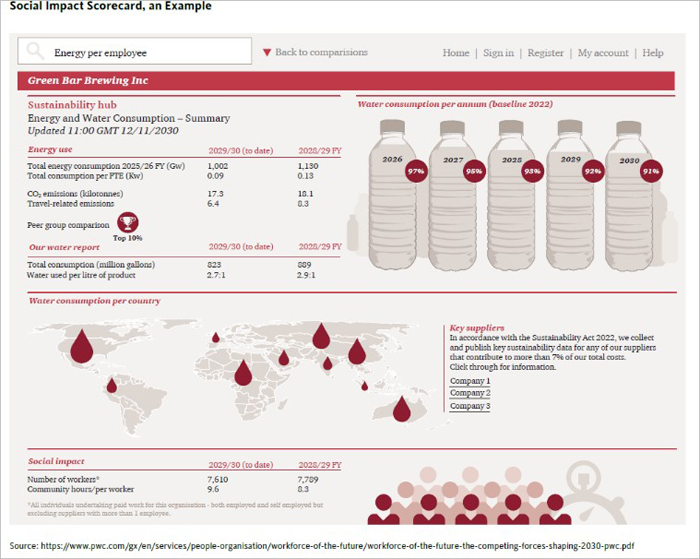
Social impact summaries such as this example are already part of several notable annual reports: Thomson Reuters’ Diversity & Inclusion Index, PwC’s Global Inclusion Index, The Dow Jones’ Sustainability Index and others. In fact, several reports on emerging business practices suggest that international accounting standards may soon require a financial capital and social capital impact summary from listed companies.[2]
It’s time to keep score and secure a competitive edge with your social impact initiatives. Tracking your social impact score will resonate with potential talent who are searching for employers who are committed to corporate social responsibility.
For information on how your company can begin your social impact journey, contact EFC at info@electrofed.com.
Swati Vora-Patel is VP, Marketing & Channel Development, Electro-Federation Canada.
1.The United Nations has developed 17 sustainable goals[1]
2. Patsy Doer, “Four Ways Social Impact Will Affect Businesses In 2019,”